

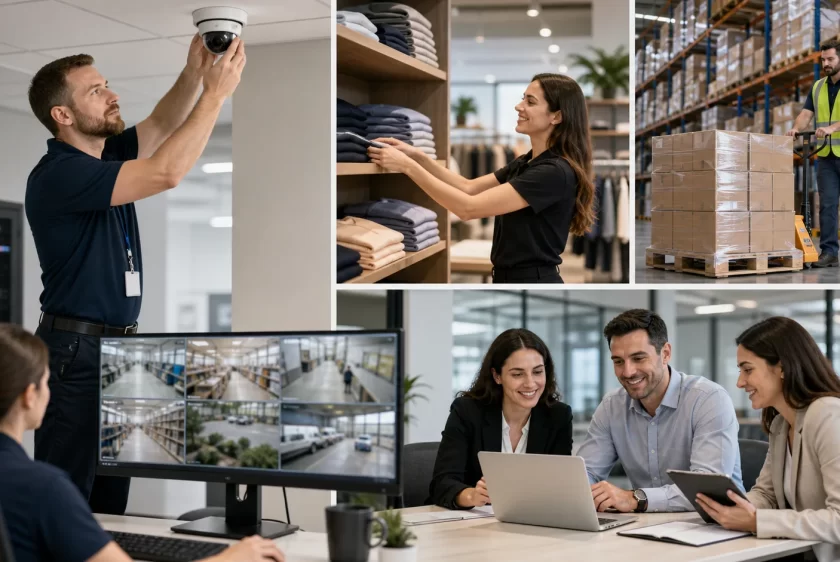
Smarter CCTV Planning for Putnam County Businesses
Security cameras in a small retail shop do not work the same way as cameras in a big warehouse or a shared office building. The risks, daily traffic, and privacy needs are all different, so the camera plan needs to be different too. If the layout, viewing angles, and recording rules do not match how the space is really used, you end up with footage that does not help when something goes wrong.
Where you put the camera is only part of the picture. You also need to think about lighting, how people move through the space, how long you keep recordings, and who can see video from a phone or computer. A smart CCTV installation in Putnam County is built around your actual workflows, not just a list of camera features or a box kit from a big store.
Retail Stores Need Customer-Focused Coverage
Retail stores in Putnam County often worry about shoplifting, staff safety, slip-and-fall-claims, and break-ins after closing time. These risks tend to spike in busy shopping seasons, when more people are in the aisles and staff are moving faster. Store owners want clear video around customers, doors, and cash handling, but they also want the space to still feel friendly.
Good retail coverage usually focuses on:
- Main entrances and exits
- High-value or high-risk product areas
- Point-of-sale stations and return counters
- Stockroom doors and back-of-house corridors
Wide-angle cameras can watch large sections of the sales floor so you can see customer flow and blind corners. Tighter views above registers and service counters help capture faces, hands, cash drawers, and screens so you can match video to receipts when needed. This kind of detail can help review a dispute or a return that does not look right.
Privacy is important too. Cameras should never be inside restrooms or fitting rooms. Instead, many stores cover:
- Fitting room hallways and entry points
- Hallways leading to staff-only spaces
- Exterior walkways and parking lot views
When CCTV is tied to alarms and access control on back doors and stockrooms, managers can quickly check an alert from a phone or an office PC. A ping on your alarm app is much easier to handle when you can instantly pull up the matching camera and see what is going on.
Warehouses Require Safety and Liability Protection
Warehouses in Putnam County deal with a different set of risks. Forklifts, pallet jacks, loading docks, and tall racks all bring safety and liability concerns. When inventory ramps up before busy seasons, there may be more trucks, more short-term staff, and more chances for mix-ups or injuries.
Key warehouse camera locations often include:
- Loading docks and overhead doors
- Shipping and receiving workstations
- Main interior travel aisles
- Staging zones where product is checked or packed
Higher-mounted cameras can watch larger areas like dock lines or long aisles. Closer views work better for:
- Time clocks and staff entrances
- Caged or locked storage areas
- Rooms with tools, electronics, or high-value items
Clear footage can help review injury claims, confirm that safety steps were followed, and spot patterns like forklifts speeding in tight corners or staff walking through busy dock lanes. Video clips can also support safety talks and training meetings, showing real examples from your own site.
Many warehouses also need outdoor views on yards and parking lots that tie in with alarms and access control. Working with a professional installer helps make sure cameras, outdoor lighting, and door sensors all support each other, instead of acting like separate pieces that do not share the same goals.
Offices Need Discreet, Policy-Driven Monitoring
Office settings usually care more about data security, visitor control, and after-hours access than retail-style theft. In many Putnam County office buildings, tenants share entrances, lobbies, stairwells, and hallways, so those shared paths are often more important than individual desks.
Practical office camera spots include:
- Main entry doors and reception desks
- Visitor sign-in and badge areas
- Mail and package drop zones
- Server rooms, IT closets, or file rooms
The goal is to see faces clearly and confirm badge or key use, without making the workplace feel like a police station. Smaller, more discreet cameras often make sense inside office areas and conference rooms, but only where this fits company policies and any rules for your type of business.
Because office spaces involve HR and privacy topics, planning is not just about where to put cameras. It also involves:
- Clear policies so staff know where cameras are and why they are there
- Defined rules for who can view live video or recordings
- Set retention times for stored footage
- Decisions about whether audio recording is allowed or needed
A professional setup can be configured so managers and owners have secure remote access without giving broad, casual access to everyone in the building.
Local Compliance and Best Practices in Putnam County
Businesses in Westchester, Putnam, Dutchess, Orange, and nearby counties often have to think about local building rules, landlord requirements, and insurance guidelines when they plan security. A property owner might ask for certain entrance cameras. An insurer might expect coverage on loading docks or cash-handling areas before they approve certain policies.
At the same time, privacy expectations are high. Good practice usually includes:
- Avoiding cameras in clearly private spaces
- Using signage where recording happens in public-facing areas
- Setting practical retention periods for recordings
- Storing video in a way that keeps it from being shared casually
DIY cameras can seem simple, but they often miss key angles, have weak mounting, or fail when lighting changes with the seasons. A dropped Internet connection or a dead SD card can mean missing the one clip you actually needed. A designed system can cover entrances, blind spots, and workflow paths in a way that lines up with how your site runs each day.
In the Hudson Valley, fall and winter bring earlier sunsets, snow, and ice, which can all affect your cameras. Night vision quality, outdoor-rated housings, heater options, and the way cables are routed all matter. A proper CCTV installation in Putnam County takes into account:
- Changing natural light at different times of year
- Headlight and snow glare in parking lots
- Ice and water where people walk and drive
Planning for these details up front can help you avoid gaps in recording just when visibility is hardest.
Planning the Right CCTV System for Your Putnam County Site
Before you talk with a professional, it helps to think in terms of your type of site. Ask yourself: is it closer to a retail store, a warehouse, an office, or a mix of these? Then list three to five areas you know must be covered. For example, a shop might list front doors, registers, fitting room corridors, and the rear door. A warehouse might focus on docks, main aisles, and secure cages. An office might pick the main entrance, reception, elevator lobby, and server room.
From there, a security team can walk your property, look at entrances and exits, parking areas, and interior workflow, and see how your existing alarms or access control fit into the picture. At LinkedUp Security, we design and install custom CCTV systems for homes and businesses across Putnam County and nearby areas. Our goal is always the same: build a camera plan that fits your real security concerns, supports compliance, and works smoothly with your day-to-day operations.
Get Started With Your Project Today
If you are ready to upgrade your security, our team at LinkedUp Security is here to design and install a reliable system tailored to your property. Learn how our CCTV installation in Putnam County can help protect what matters most to you. To discuss your needs or schedule a visit from our technicians, simply contact us today.


