

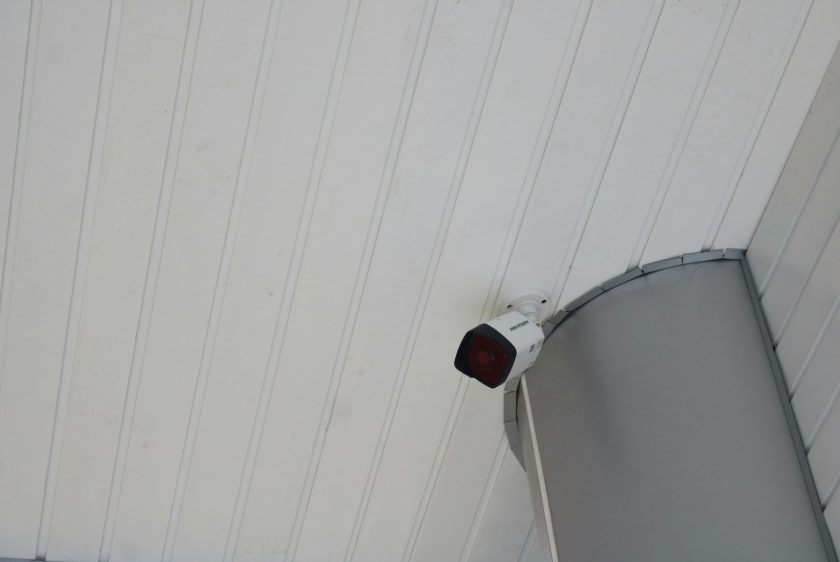
What Putnam County Property Owners Should Know First
Security cameras are becoming a standard part of protecting homes and businesses in Putnam County. When people travel more and properties sit empty, cameras help you keep an eye on what matters. But many owners are surprised to learn that it is not as simple as just mounting a camera and plugging it in.
Local rules, building codes, HOA guidelines, and privacy laws can all affect where you place cameras and how you use them. Ignoring those pieces can lead to tension with neighbors, letters from the association, or a request to move or remove equipment later.
As a local security installer serving Putnam County and nearby areas, we see this often, and a smart plan for security camera installation in Putnam County should always include legal compliance, good neighbor relations, and long-term reliability, not just hardware and price. When those pieces line up, you get security that works and peace of mind that lasts.
Local Rules and Permits for Security Cameras
In many cases, basic cameras on a single-family home do not need a special camera permit. But that does not mean permits never come into play. The details of your project determine what is required.
You may need permits or approvals when:
- You are adding cameras to a commercial property or mixed-use building
- Your building is in a historic or special district
- The work involves new electrical runs, conduit, or significant low-voltage wiring
- Cameras are tied into existing fire or intrusion alarm systems
- Mounts penetrate structural elements or trigger building or electrical code review
In Putnam County, rules can differ from one town or village to the next. Requirements in Carmel, Kent, or Patterson may not be identical. That is why the safest approach is to check with the local building department before starting a bigger project, especially for businesses and multi-unit properties.
For professional security camera installation in Putnam County, a good installer will normally:
- Walk the property to spot any code or zoning red flags
- Ask about current alarm or access control systems
- Coordinate with property managers, landlords, or building inspectors when needed
Even for a home, new power supplies, junction boxes, or long cable runs can bring electrical or low-voltage rules into the picture. It is easy to miss that if you are only focused on where you want cameras, not how they connect and draw power.
We help owners think through:
- Whether a project is likely to need permits or inspections
- How to place cameras and route wiring to stay within local rules
- How to document the system if insurance, an inspector, or a landlord asks for proof of installation later
HOA, Condo, and Landlord Restrictions
Many Putnam County owners live in HOA or condo communities, or they rent space from a landlord. In those situations, even if the town does not require a permit, your community rules might still control what you can do.
Common HOA and condo rules can include:
- What can be mounted on exterior walls, trim, roofs, or fences
- The color, size, and visibility of cameras and exposed wiring
- Limits on equipment in shared stairwells, hallways, or lobbies
- A requirement to submit plans or photos before installing anything permanent
For single-family homes in HOA communities, the main concern is often how the house looks from the street. Cameras may need to be low-profile, in certain locations, or painted to match trim. A clean, neat install is usually easier to approve than something that looks tacked on.
Condo units are different. Owners may be free to place cameras inside their unit, but hallways, parking lots, and shared doors often fall under the building’s control. In many cases, only the association or property manager is allowed to install cameras in those shared areas.
Renters, both residential and commercial, usually need permission to:
- Drill into exterior walls or ceilings
- Run cable through shared spaces
- Connect to building power or network systems
A custom, professionally designed setup can help meet these rules by:
- Using compact cameras and tidy cable routing to keep curb appeal intact
- Adjusting angles to avoid shared pools, playgrounds, and common rooms when required
- Providing simple diagrams or photos that show boards or landlords exactly what is planned
We often work with HOAs and property managers in the region. When the project is clear on paper and in person, approvals tend to move faster and owners avoid the headache of moving equipment after it is installed.
Privacy Laws and Respecting Neighbor Boundaries
In New York, you are generally allowed to record video on your own property for security reasons. The main privacy rule of thumb is simple: do not aim cameras at places where people expect privacy, and do not go out of your way to monitor your neighbors.
For exterior cameras, smart practices include:
- Focus on your own doors, driveways, walkways, and yard
- Avoid pointing directly into neighboring windows or private spaces
- Keep an eye on how wide-angle lenses may pull in more area than you expect
Wide-angle or high-resolution cameras can easily capture part of a next-door yard or interior window, even when you do not intend it. A professional installer can adjust heights, angles, and lens choices so you get the coverage you need with less extra background. Many systems also offer privacy masking, which lets you block out certain areas from the recording.
Audio recording can raise extra questions, especially for businesses. Picking up detailed conversations is different from simple video of people walking by. Settings that limit when and how sound is recorded may be the right choice in some locations.
For business properties, common camera areas are:
- Entrances and exits
- Parking lots and loading areas
- Sales floors and front counters
- Storage rooms and warehouses
Areas that should not be monitored include restrooms and any space set aside as a private changing room or similar area. Clear signs that say video surveillance is in use are a good practice for both employees and customers and may be required in some situations.
When we design systems, we review sample camera views with owners so they can see what will be captured before final mounting. We can set privacy zones and recording rules on commercial systems so that legal and workplace policies stay front and center. As layouts change over time, we help update views and privacy settings so those choices do not get forgotten.
Designing a Compliant, Effective Camera System
Every property in Putnam County is different. A lake house with a long driveway, a small shop on a busy road, and a warehouse in an industrial area all need different camera placements and equipment. A one-size-fits-all kit rarely lines up with those real-world details.
A professional design process normally includes:
- An on-site walkthrough to map entries, side paths, parking, and blind spots
- A review of lighting at different times of day, including areas that are very dark or backlit
- Selection of camera styles that match each location, such as fixed, turret, bullet, dome, or PTZ
The goal is to cover the right areas without overreaching into neighboring property or restricted spaces. For businesses, cameras often tie into alarm panels and access control systems. For homes, they may connect with existing doorbells, smart locks, or other smart devices.
Professional installation also affects how well the system holds up over time. Putnam County sees heat, storms, heavy rain, and winter conditions. Good mounting, weather-appropriate housing, and secure cable paths help your cameras stay in place and keep working.
On the technical side, careful setup of the recorder and network means:
- Strong passwords and account controls
- Safe remote access instead of quick, risky shortcuts
- Storage settings that match how long you want clips to be available
Training is another part of the process. Owners should know what is being recorded, how to find and save important clips, how to share footage with law enforcement if needed, and how to change recording rules when their needs shift.
Ongoing support also matters. Properties change over time as fences go up, trees grow, or new construction appears next door. Staff turns over, tenants change, and business hours move earlier or later. A system that is checked and adjusted stays useful and compliant instead of slowly drifting out of date.
Next Steps for Secure, Lawful Camera Installation
An effective security camera setup in Putnam County comes down to three things working together: strong protection, respect for laws and neighbors, and equipment that keeps doing its job year after year. When any one of those is missing, problems tend to show up at the worst time.
Guessing about permits, HOA rules, or privacy limits can backfire, especially if an association, landlord, or insurance company asks for documentation later. A careful plan at the start is easier than moving cameras, patching walls, or re-running cable after the fact.
At LinkedUp Security, we talk with each owner about their property, the issues that worry them most, and what a secure, respectful camera layout would look like. For homes and businesses across Putnam County and nearby areas, we design custom systems that account for local rules, community guidelines, and real-world layouts, so your cameras work for you and fit the place you call home or work.
Get Started With Your Project Today
If you are ready to protect your property with professional security camera installation in Putnam County, our team at LinkedUp Security is here to help you plan the right system from the start. We will walk you through camera placement, coverage, and monitoring options so you feel confident in your security setup. Reach out through our contact page to schedule a consultation and get a clear estimate for your project.


